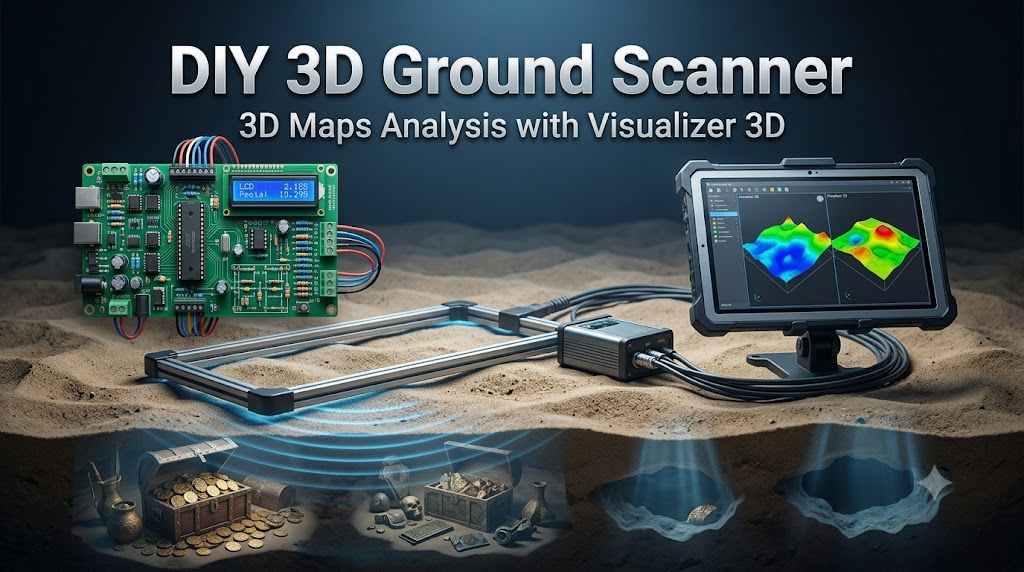
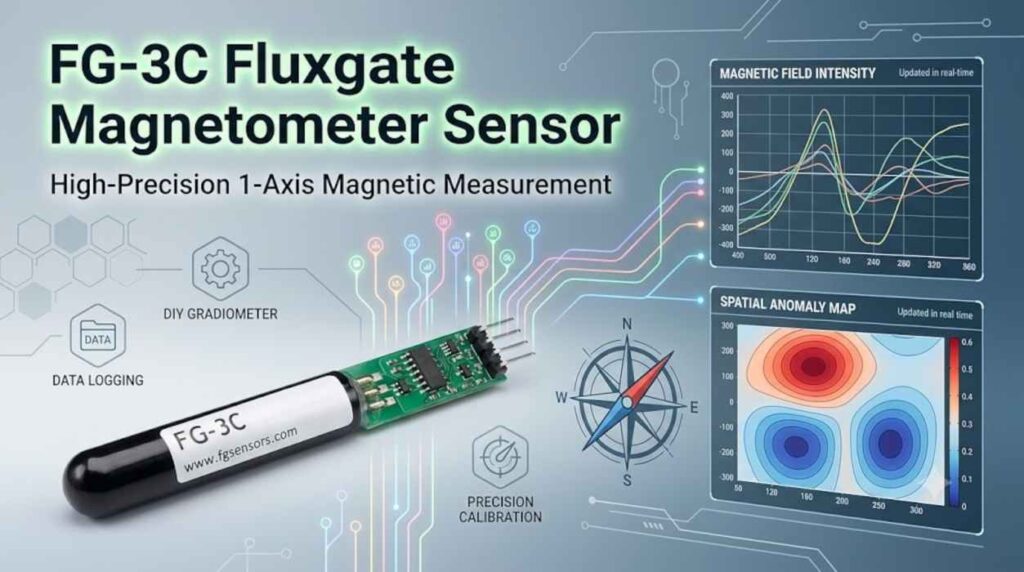
FLC100 Sensor Guide: Detect Metal & Underground Voids
Learn how the FLCH 100 magnetic sensor detects hidden metals and underground voids with nanotesla precision. Complete testing guide included.
Key Insights
- Ultra-precise detection: The FLC100 sensor measures magnetic fields with nanotesla and microtesla precision, capable of detecting even tiny objects or deep underground voids
- High stability advantage: Delivers a pure, stable analog signal resistant to heat and external noise interference
- Professional-grade tool: Essential for manufacturing gradiometers and geophysical metal detectors
- Simple hardware testing: Requires only a multimeter and basic power connection to verify sensor functionality
What Makes the FLCH Sensor Special?
The FLCH 100 is a magnetic sensor engineered as the core component of advanced detection systems. Its primary strength lies in powerful sensitivity that enables measurement at nanotesla and microtesla precision levels. This exceptional accuracy makes it capable of detecting the smallest changes in Earth’s magnetic field, even when caused by a tiny buried object or a deep underground void. The sensor combines magnetism with advanced measurement technology to deliver results no ordinary sensor can match.
Exceptional Stability & Signal Quality
Unlike typical sensors vulnerable to heat and surrounding electromagnetic noise, the FLC100 maintains exceptional stability. It outputs a pure, perfectly stable analog signal that remains unaffected by environmental interference. When connected to an external digital converter such as an ADS device, the system can effectively isolate noise and distortion from wiring or external factors. This architecture ensures you capture the genuine, unadulterated magnetic signal needed for accurate underground detection.
How to Test Your FLC100 Sensor
Before integrating the FLCH into your detection system, perform hardware testing with a multimeter to verify functionality. Setup steps:
- Connect the VCC pin to 5V power (from Arduino or external source)
- Connect GND pin to the negative/ground terminal
- Attach the multimeter’s black COM wire to the sensor’s GND
- Connect the multimeter’s red wire to the OUT (signal output) pin
- Read the voltage on the multimeter display
In normal conditions without strong magnetic influence, the voltage reading represents the surrounding magnetic field (such as Earth’s magnetic field) and remains relatively stable. This confirms your sensor is operational and ready for digital conversion using an ADS1115 converter for computer-based analysis.
Conclusion
The FLCH 100 sensor stands as the essential choice for professional metal detection and geophysical surveying. Its combination of nanotesla-level precision, exceptional stability, and noise immunity makes it ideal for identifying hidden metals and underground voids. Start with proper hardware testing using a multimeter to ensure your sensor is ready for advanced digital integration.