Pulse Induction Metal Detectors

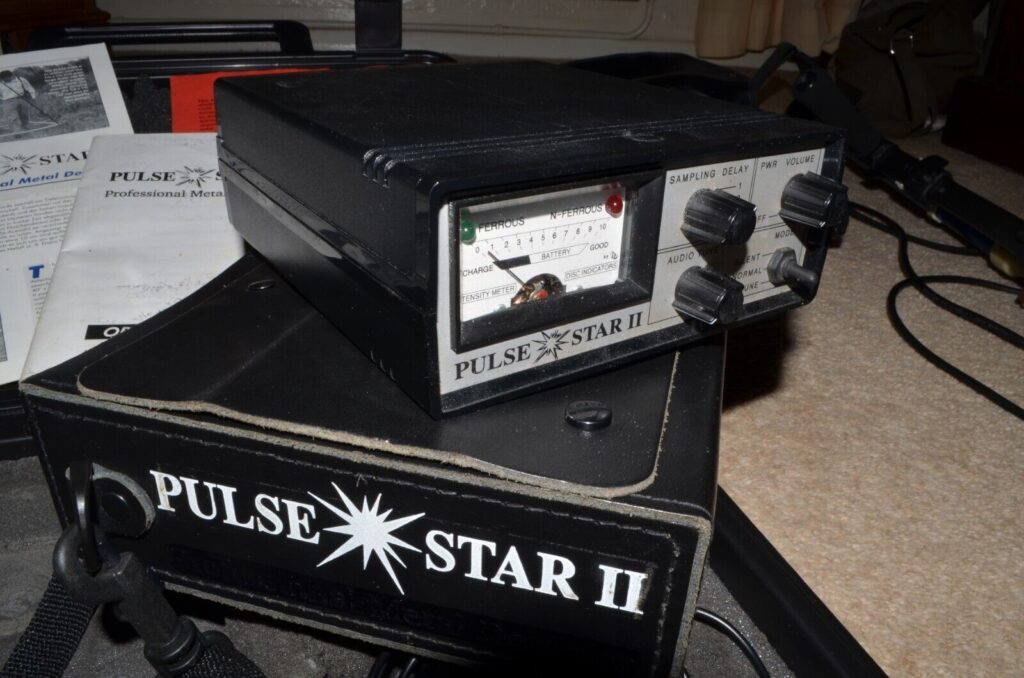
Pulse Induction (PI) metal detectors use a method called pulse induction to detect metals. They operate by sending short, powerful bursts of electrical current through a coil, creating a magnetic pulse. When this pulse interacts with metal objects, it induces a secondary magnetic field that the detector’s receiver coil picks up. The system measures the time it takes for the magnetic pulse to dissipate, which varies depending on the type and size of the metal. PI detectors are highly effective in highly mineralized soils and are often used in deep-sea diving, treasure hunting, and detecting metal in challenging environments.

METAL DETECTOR-1

METAL DETECTOR-1 GOLD DETECTOR! This project METAL DETECTOR-1 has not been called a GOLD! detector as this name has been left for the more complex detectors that actually discriminate been gold and other metals. There is an enormous difference between detecting gold and ordinary metals (called base metals). Apart from the fact that gold is …

METAL DETECTOR-1 Read More »

DIY metal detector experiment White’s Surf PI

DIY metal detector experiment White’s Surf PI

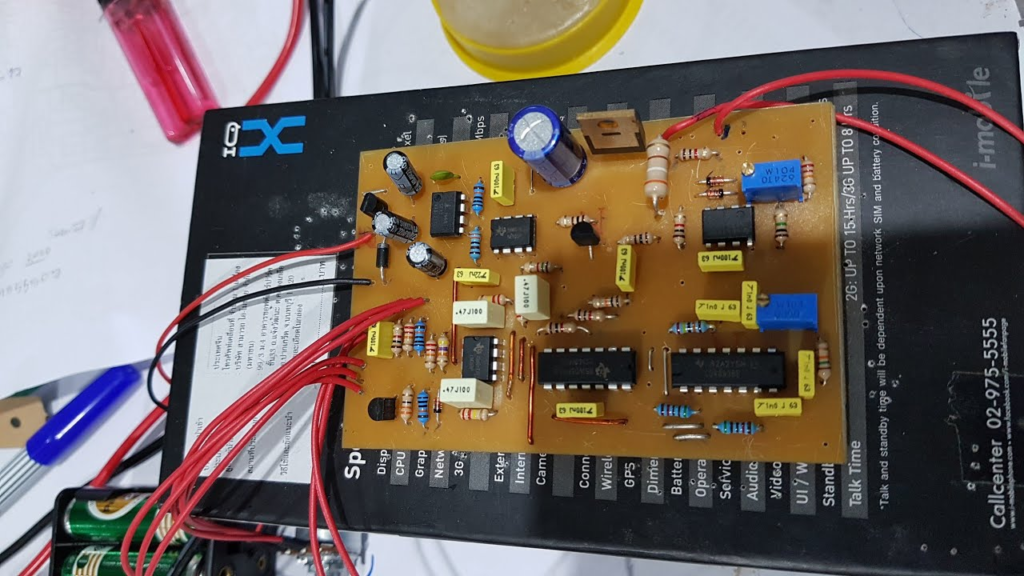
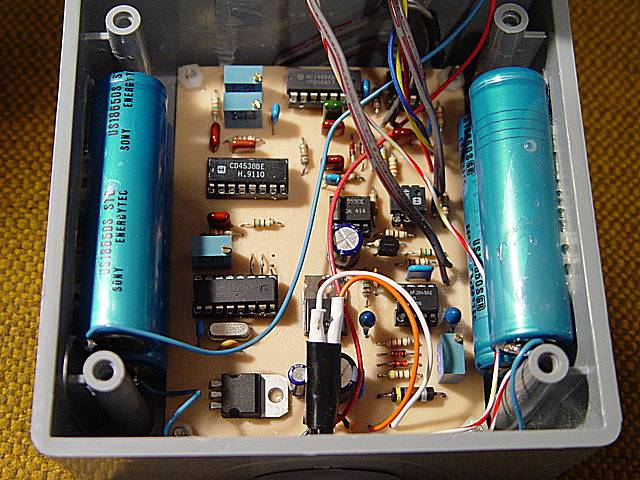
DIY Thai metal detector experiment White’s Surf PI 5 years ago By the shop owner DIY Thai metal detector experiment, see the circuit model White’s Surf PI  Prototype of White’s Surf PI metal detector Required components in the circuit SURF PI 1.2 Component List:                          C1   =    22nF         [Stacked Polyester film (+/-5%)]  C2   =    1000uF       [Eletrolytic 25 Volt]     C3   =    100nF        [Polyester film (+/-10%)] C4   =    100nF        [Polyester …

DIY metal detector experiment White’s Surf PI Read More »

error: Content is protected !!
Scroll to Top